A month-long exploration with local artisans to co-create market opportunities for traditional handicrafts.
When unreliable electricity emerged as the key challenge, we developed LED-embedded craft products together. This transformed artisans into entrepreneurs with 64% income boost while solving real problems.
What started as my curiosity about India's craft economy turned into a month-long immersion with rural artisans near Hyderabad. Despite India producing some of the world's finest handicrafts, I discovered a troubling disconnect: exceptional artisans earning less than ₹3,000/month while urban markets paid premium prices for "authentic" crafts.
I decided to explore: Could we co-create products that solve real rural problems while creating sustainable income streams?
Monthly Income increase.
From ₹2800 to ₹4600
Artisans trained.
Now running their own craft-tech businesses.
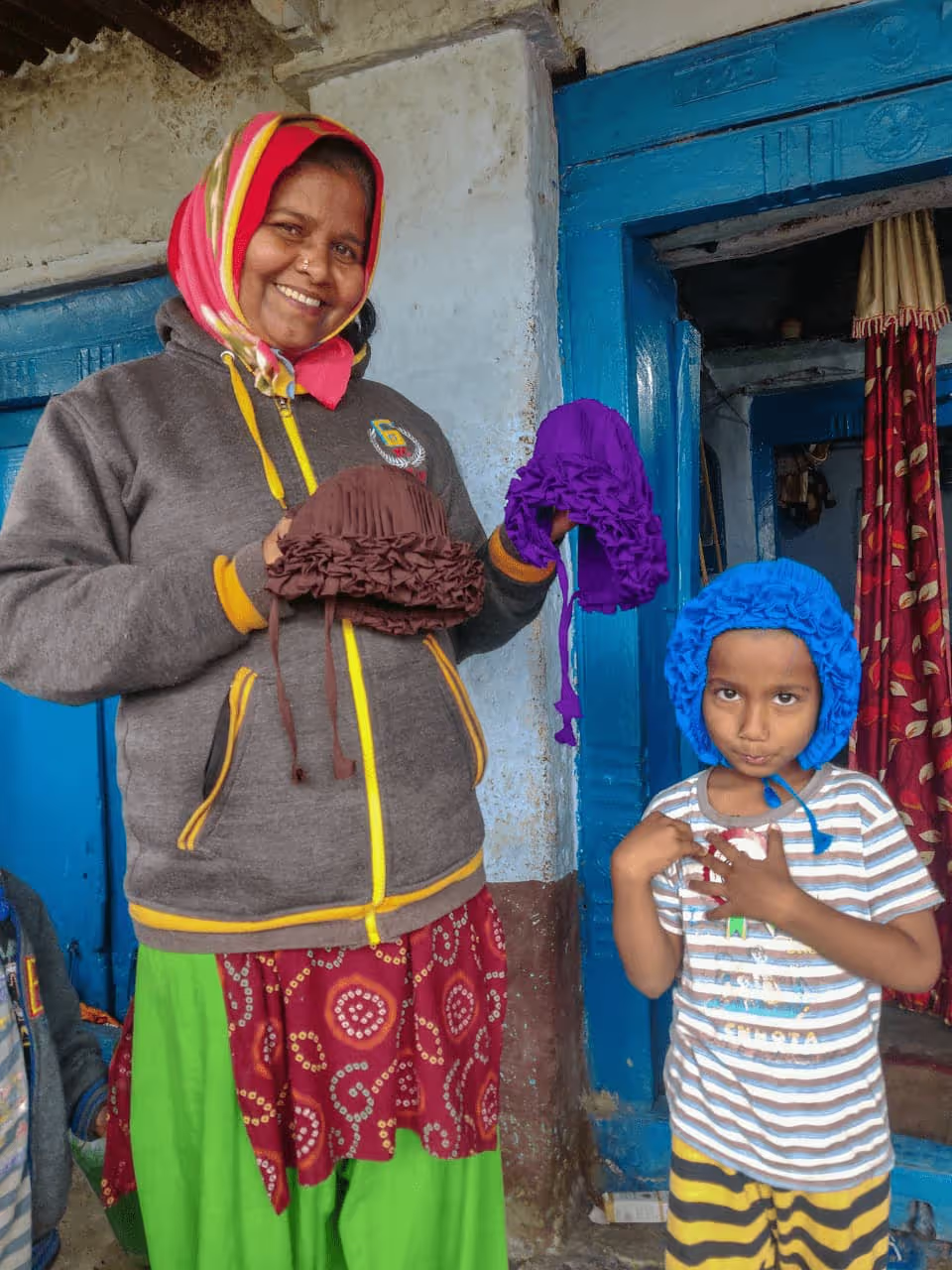
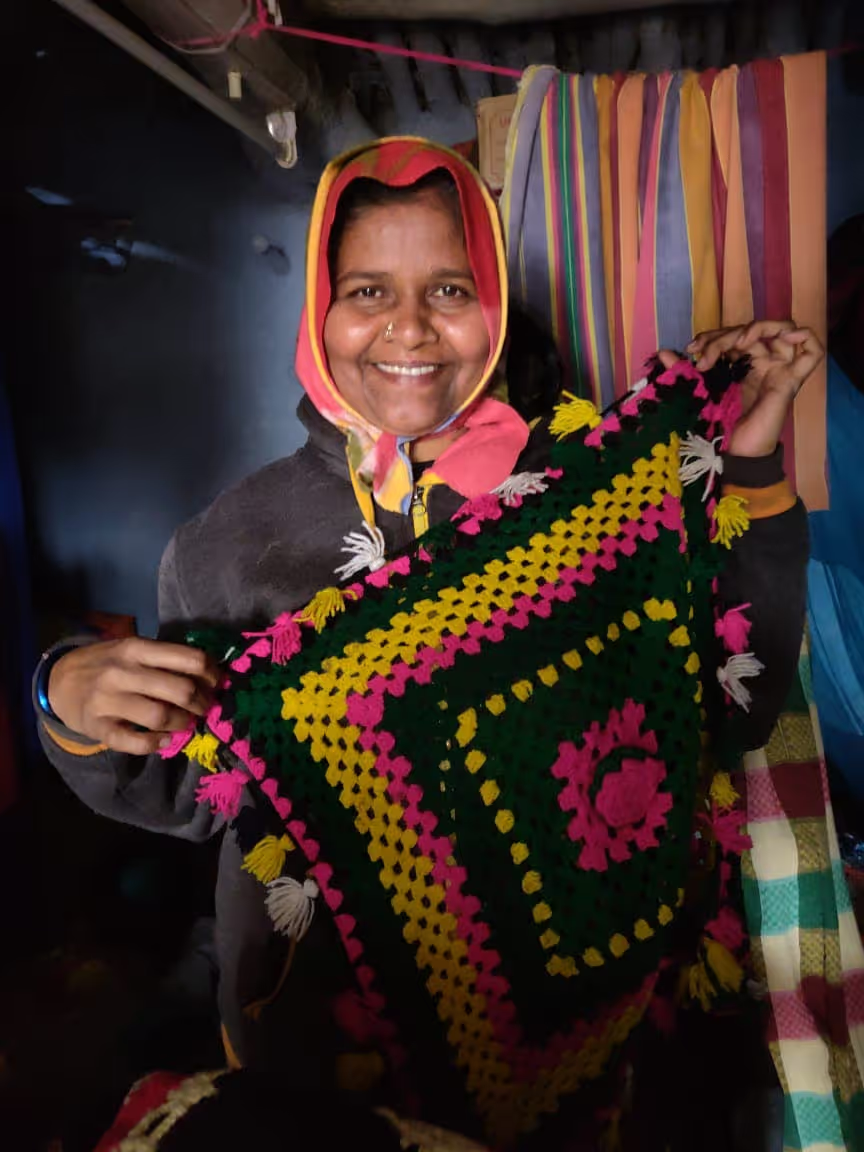
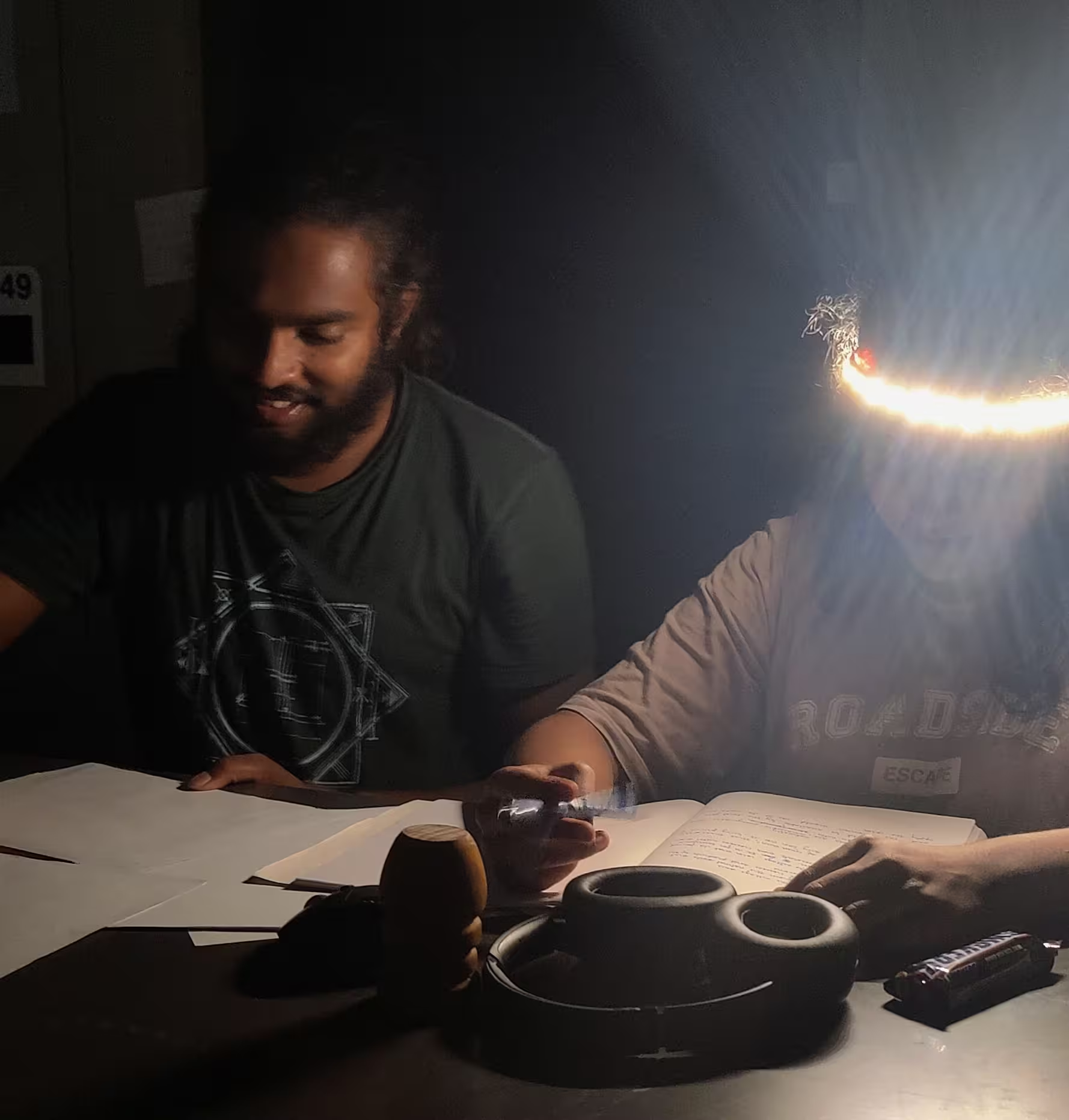
During the first week, I didn't bring any solutions. Instead, I shadowed artisans through their daily routines, participated in their craft processes, and most importantly, listened. In evening conversations over chai, this same frustration emerged across every household.
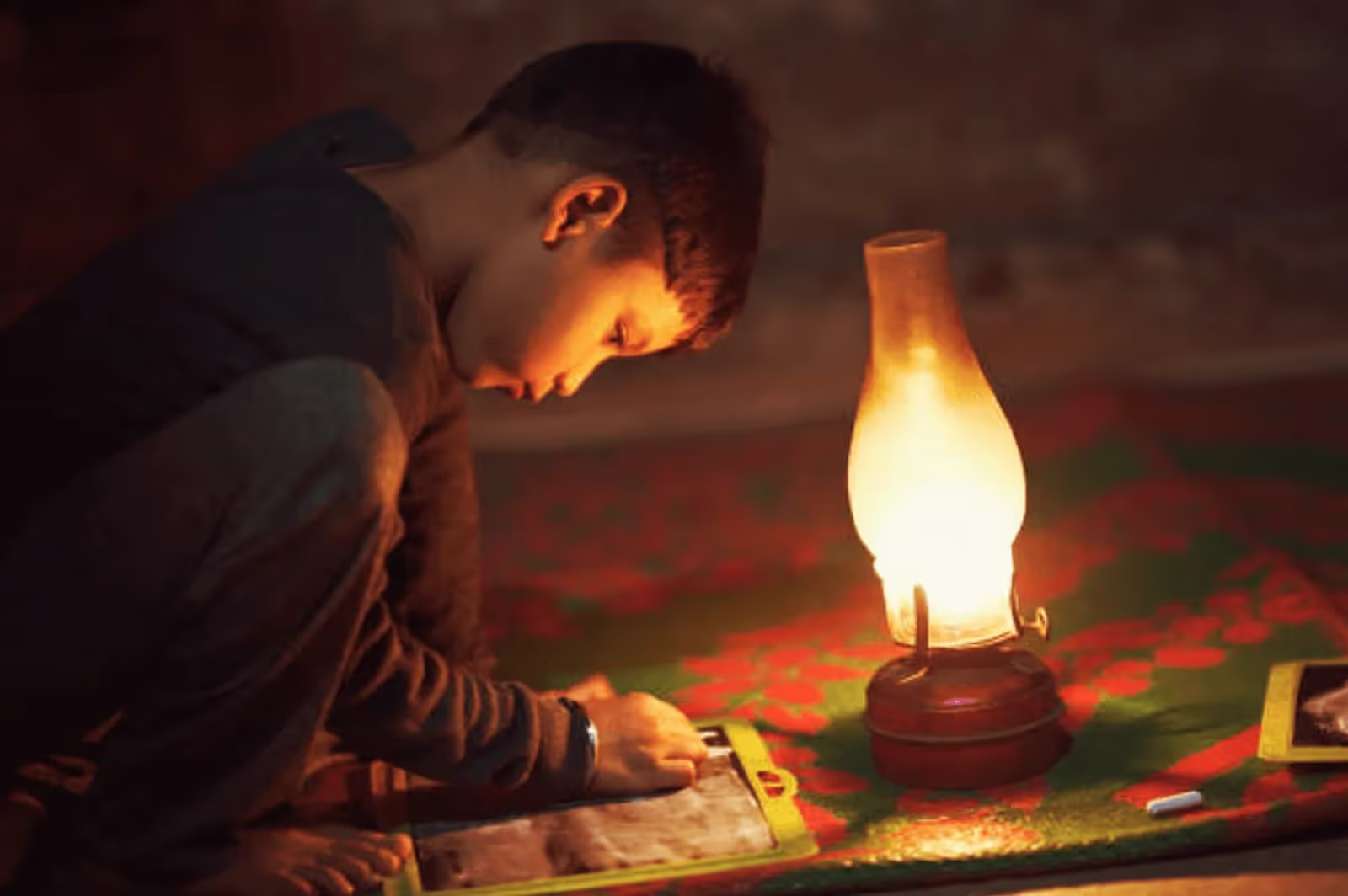
The next two weeks transformed from "design research" into collaborative innovation. We weren't designers and beneficiaries. We were co-creators!
The solution emerged organically: craft wasn't just the medium, it was the innovation. Crochet patterns naturally created diffusion for LED light. Bamboo weaving provided structure for directional beams. Traditional designs carried cultural meaning that made adoption instantaneous.
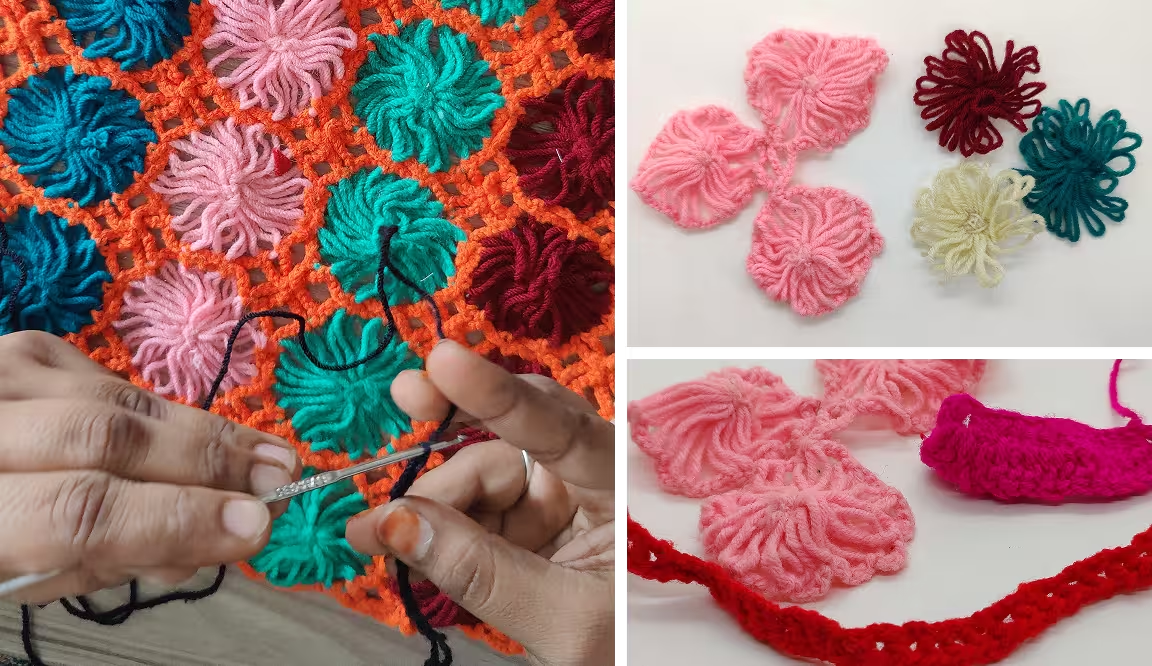
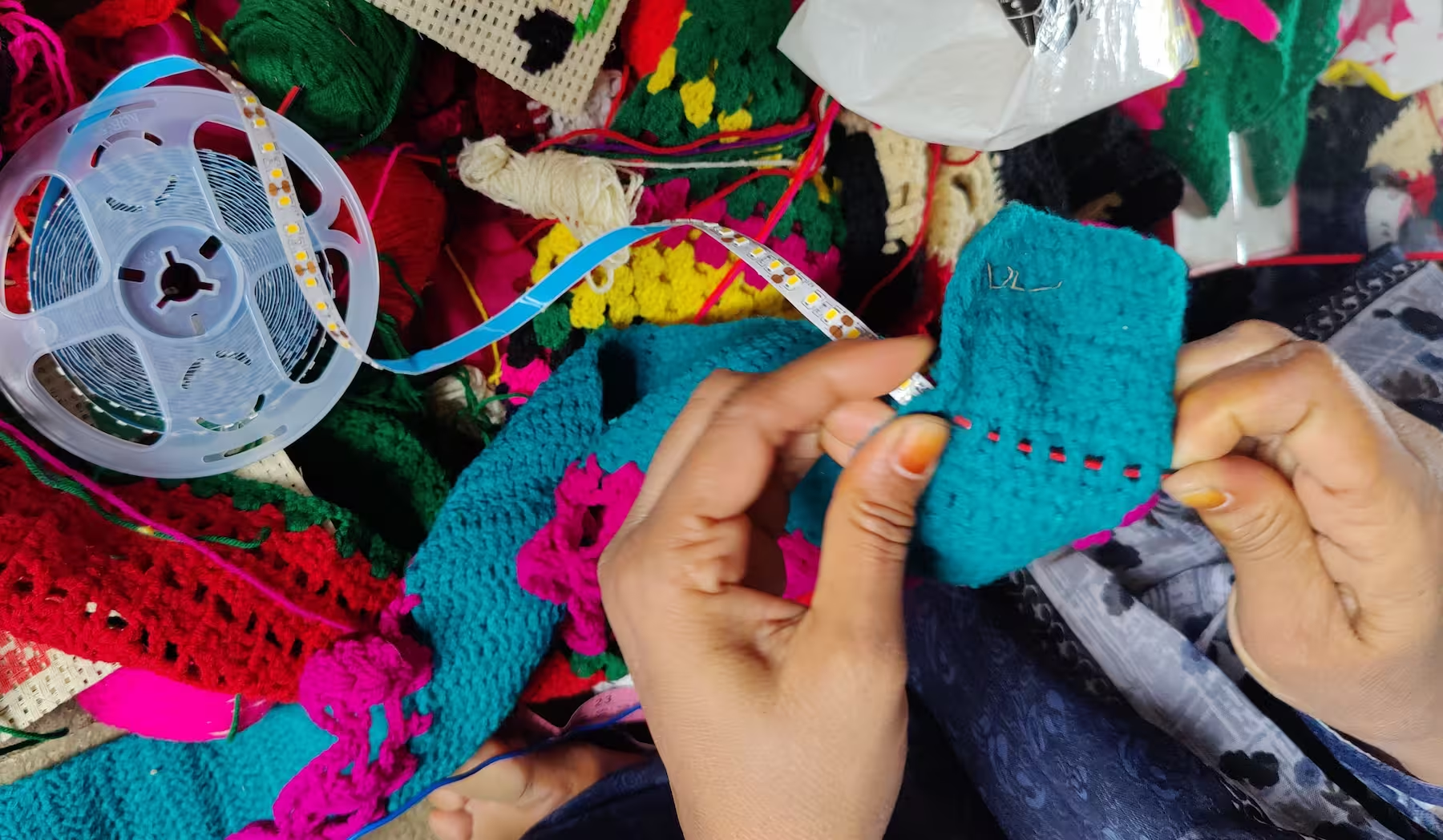
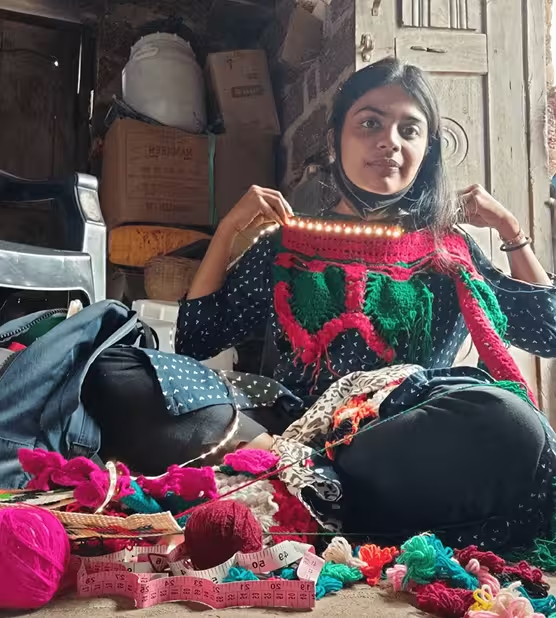
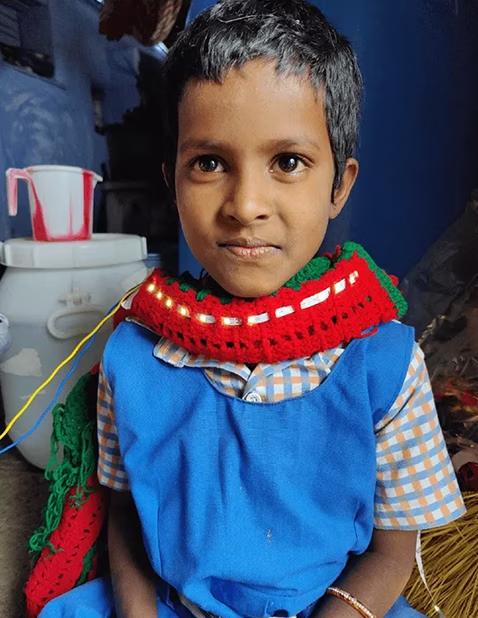
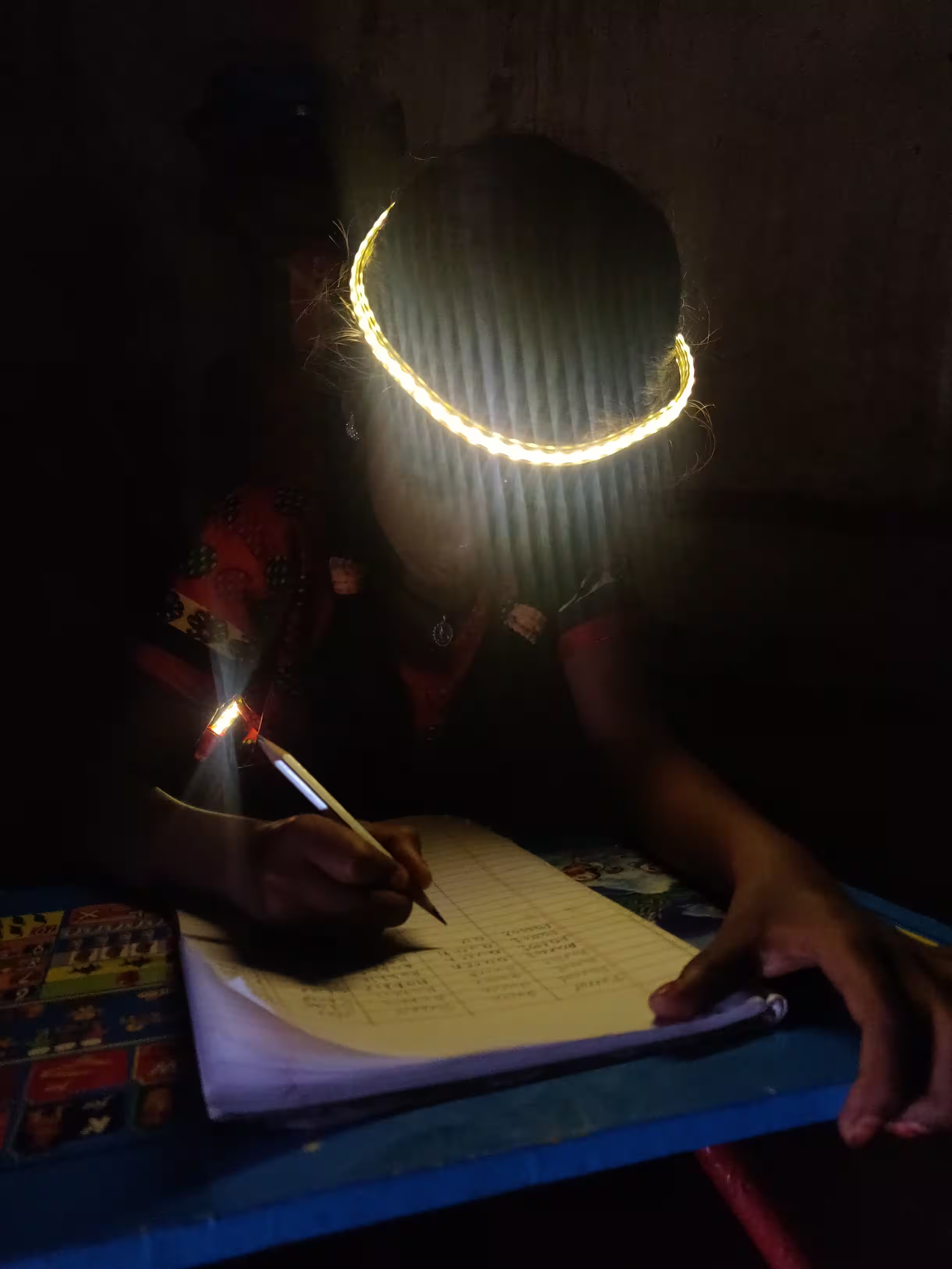
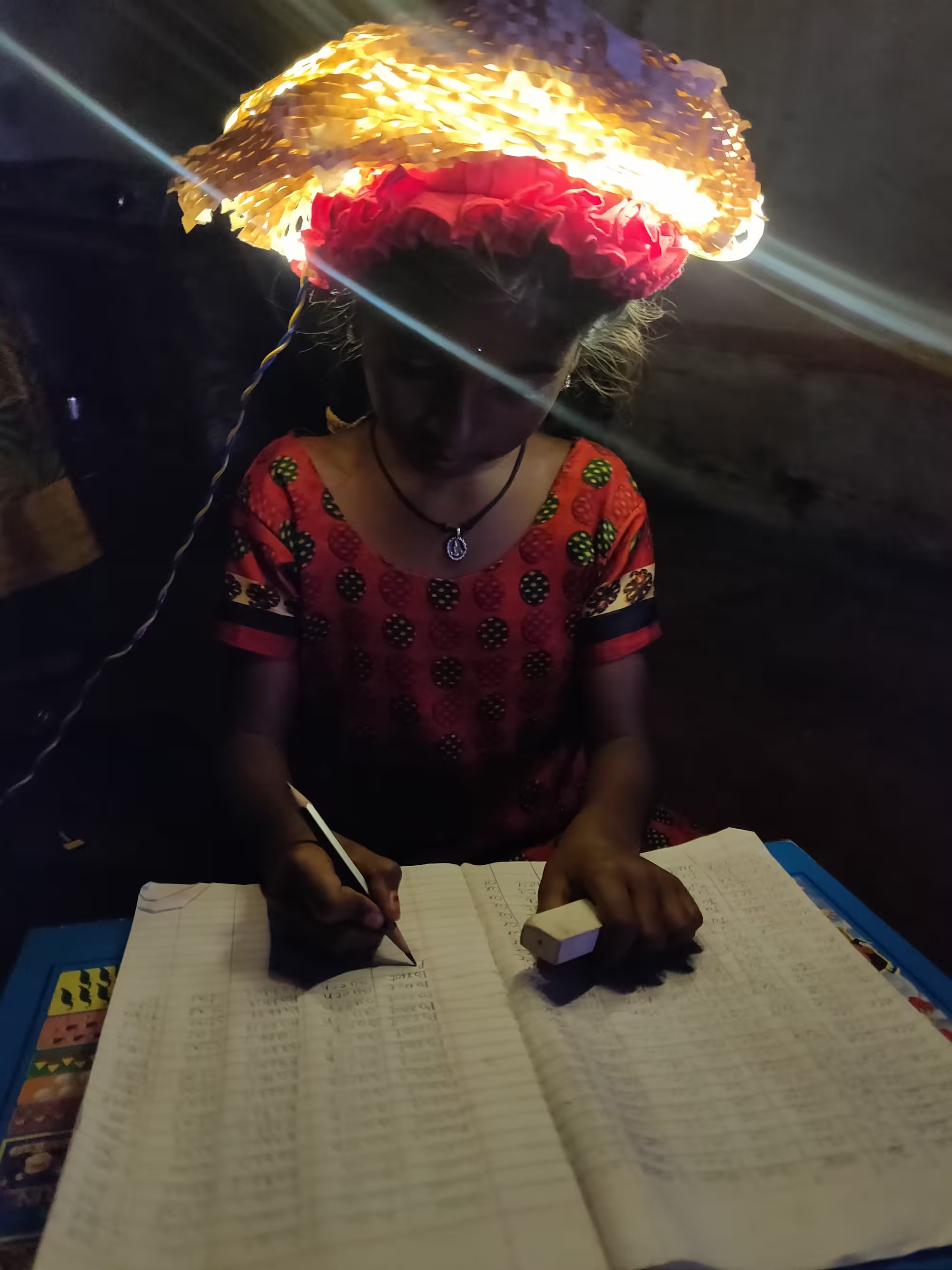
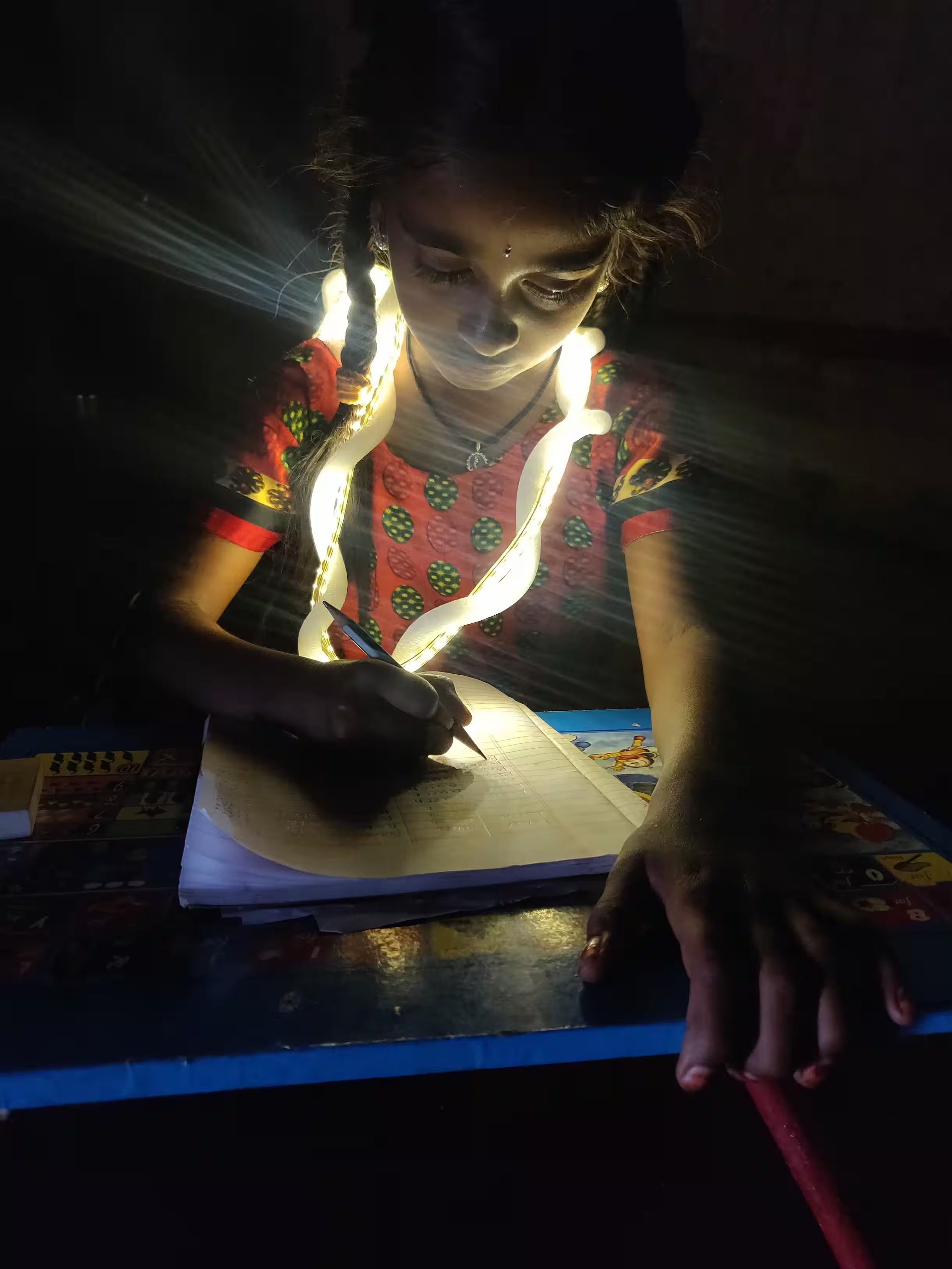
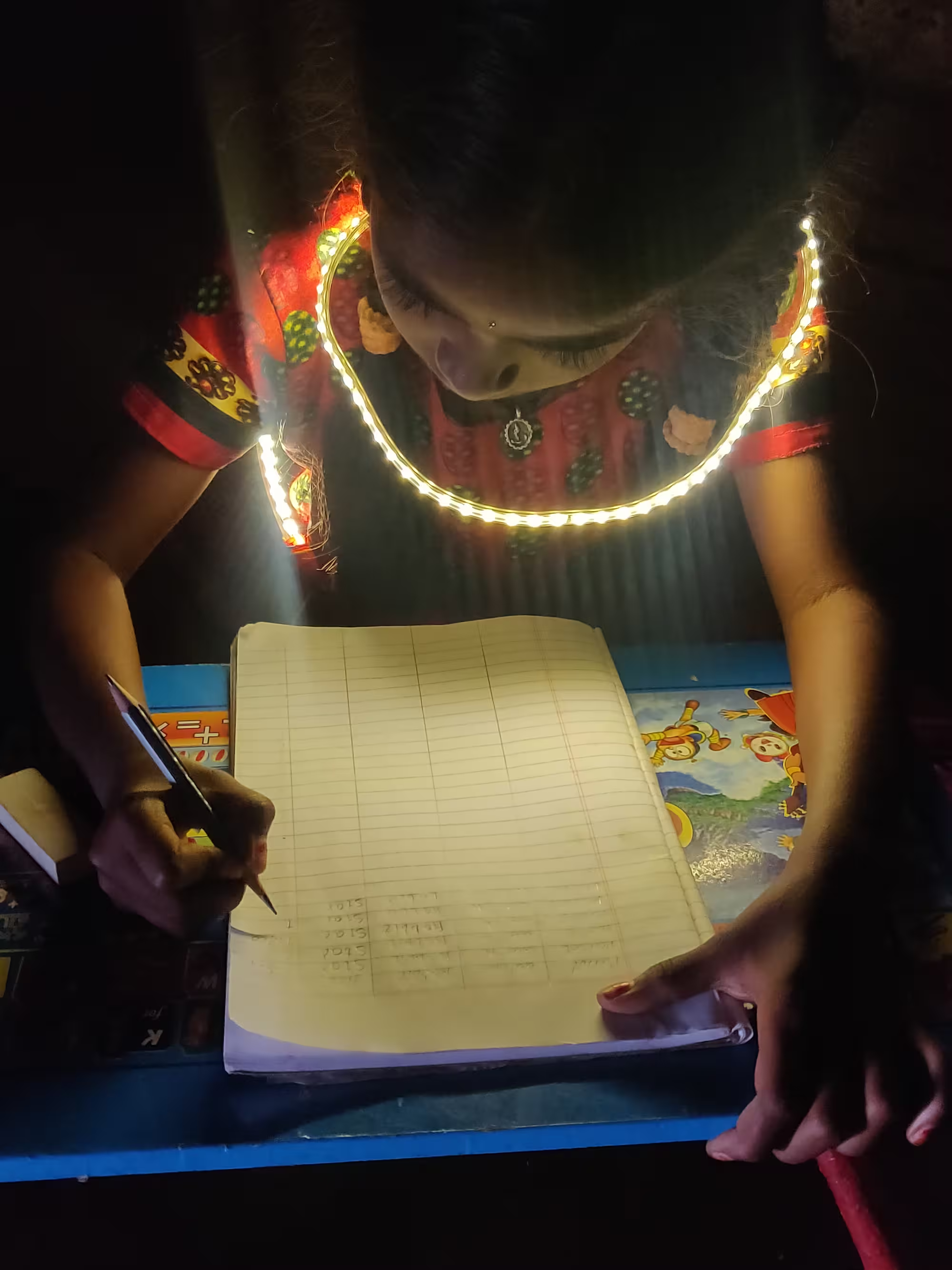
Instead of creating separate lighting products, we integrated illumination into cultural artifacts that rural communities already valued.
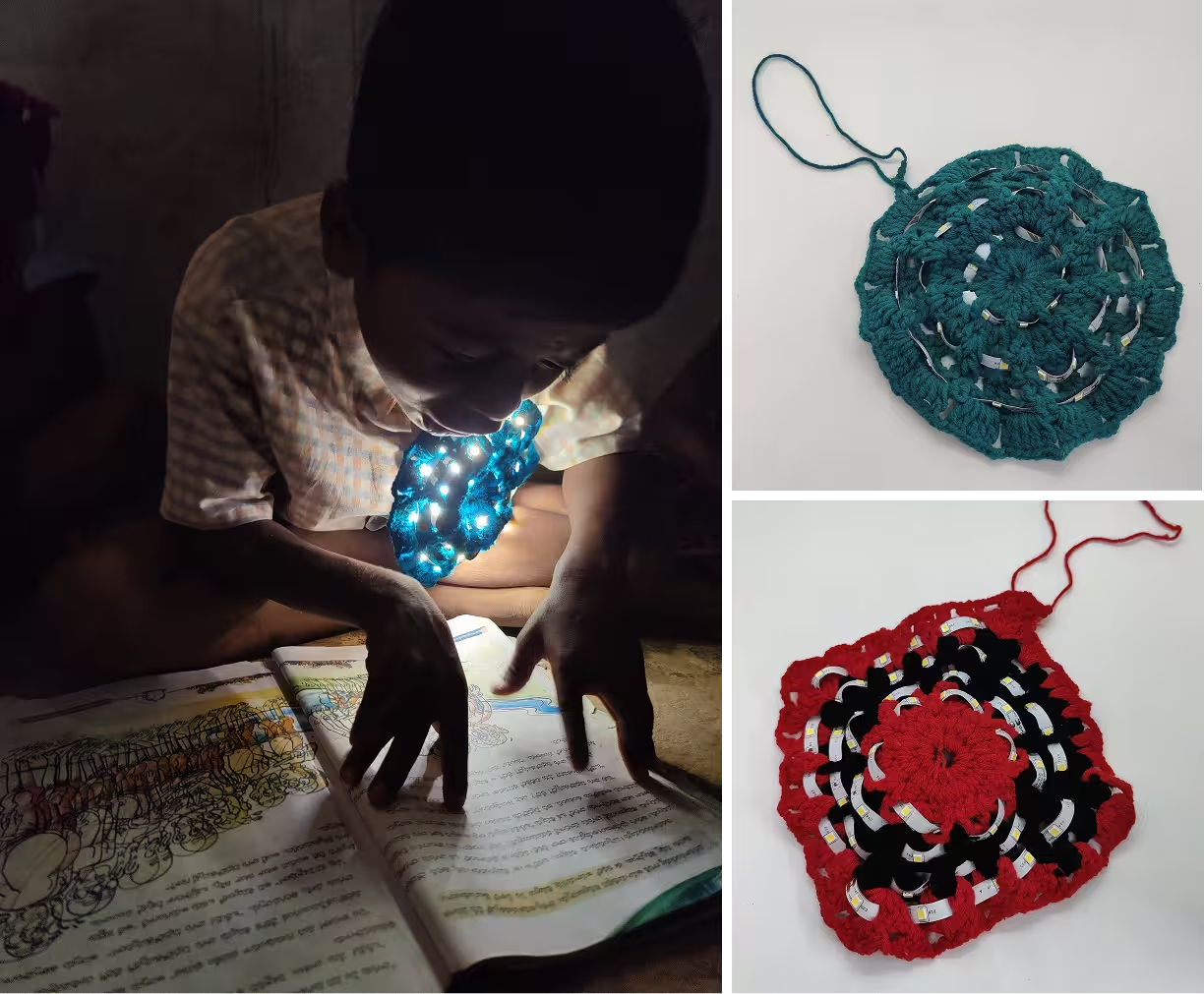
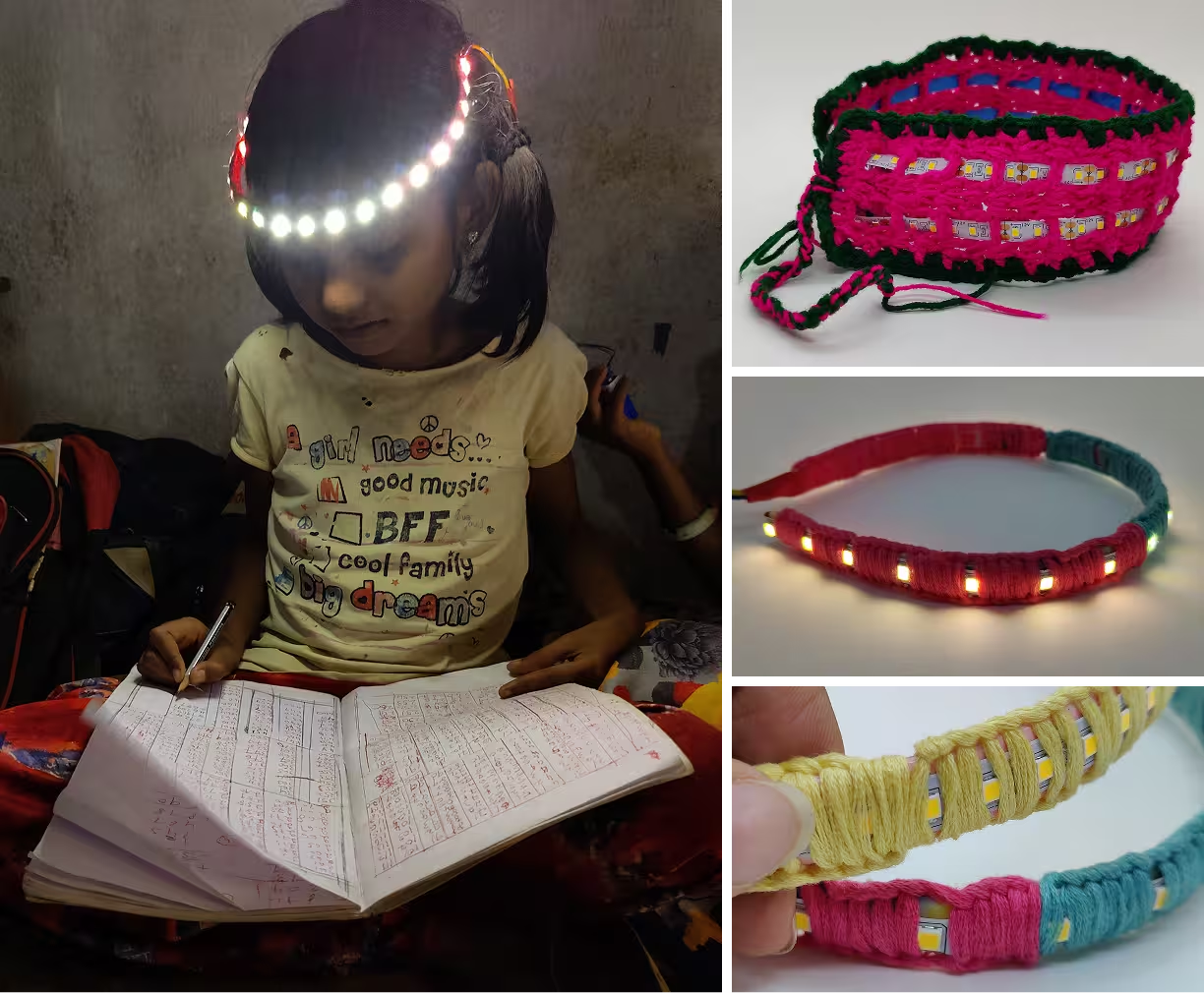
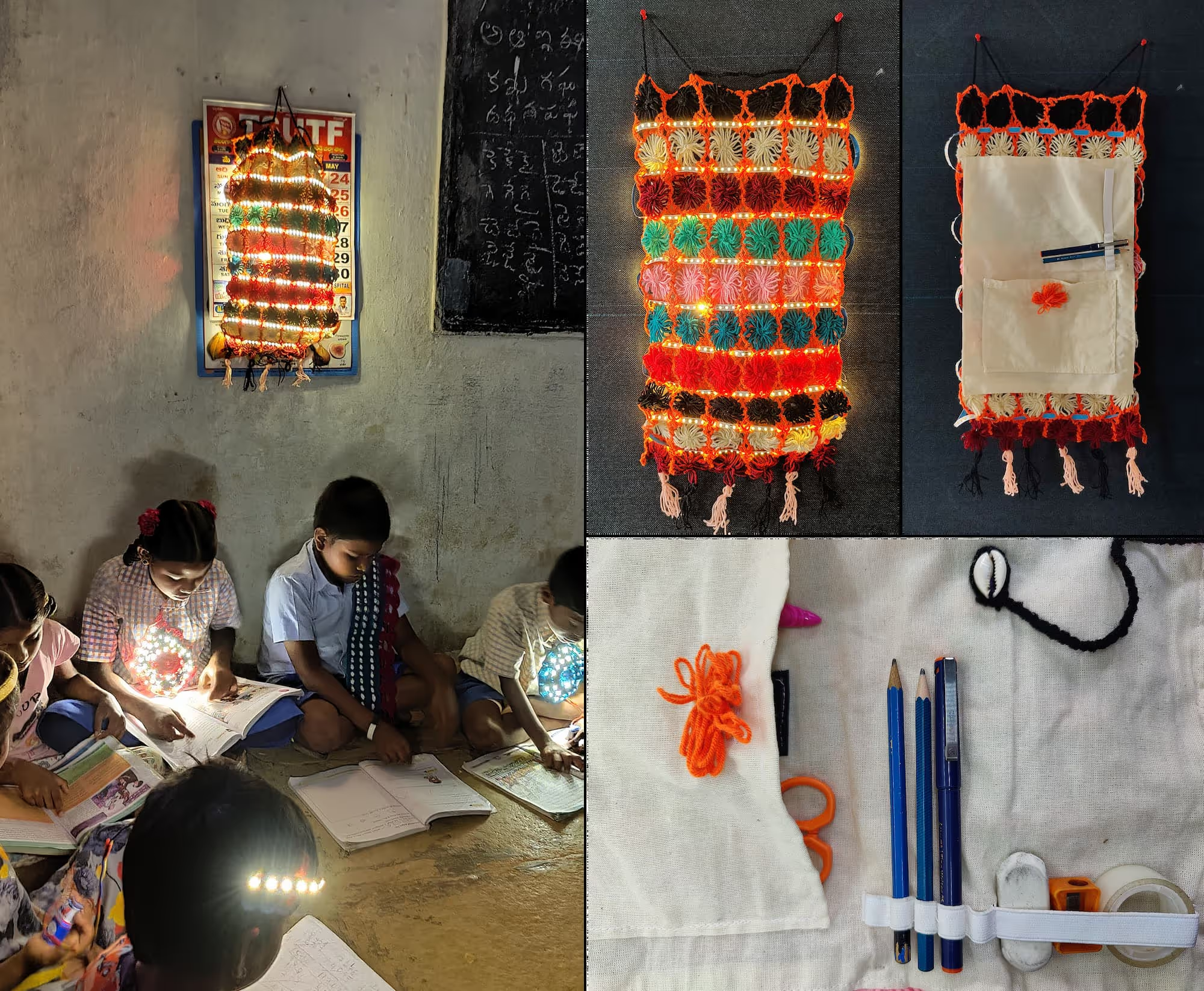
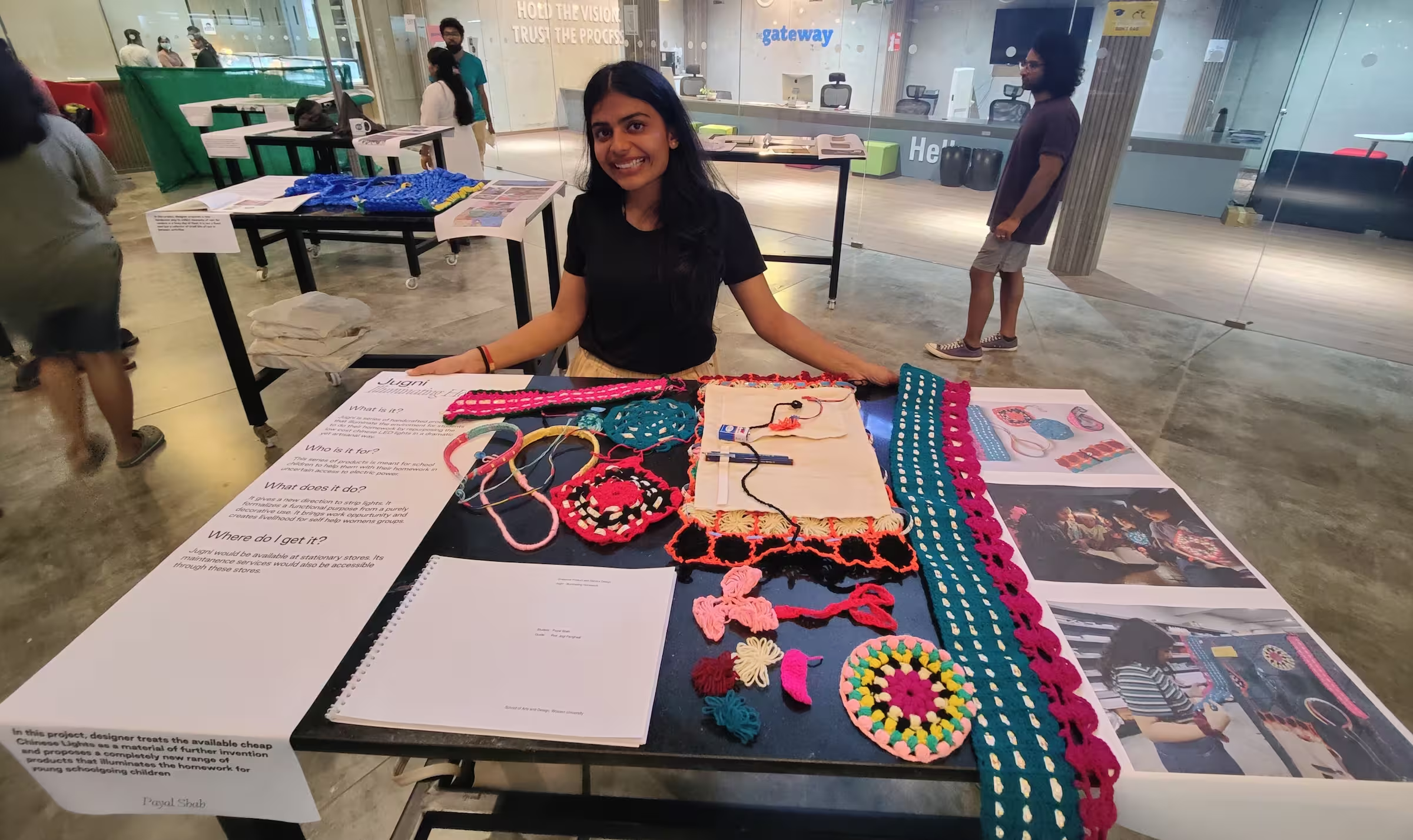
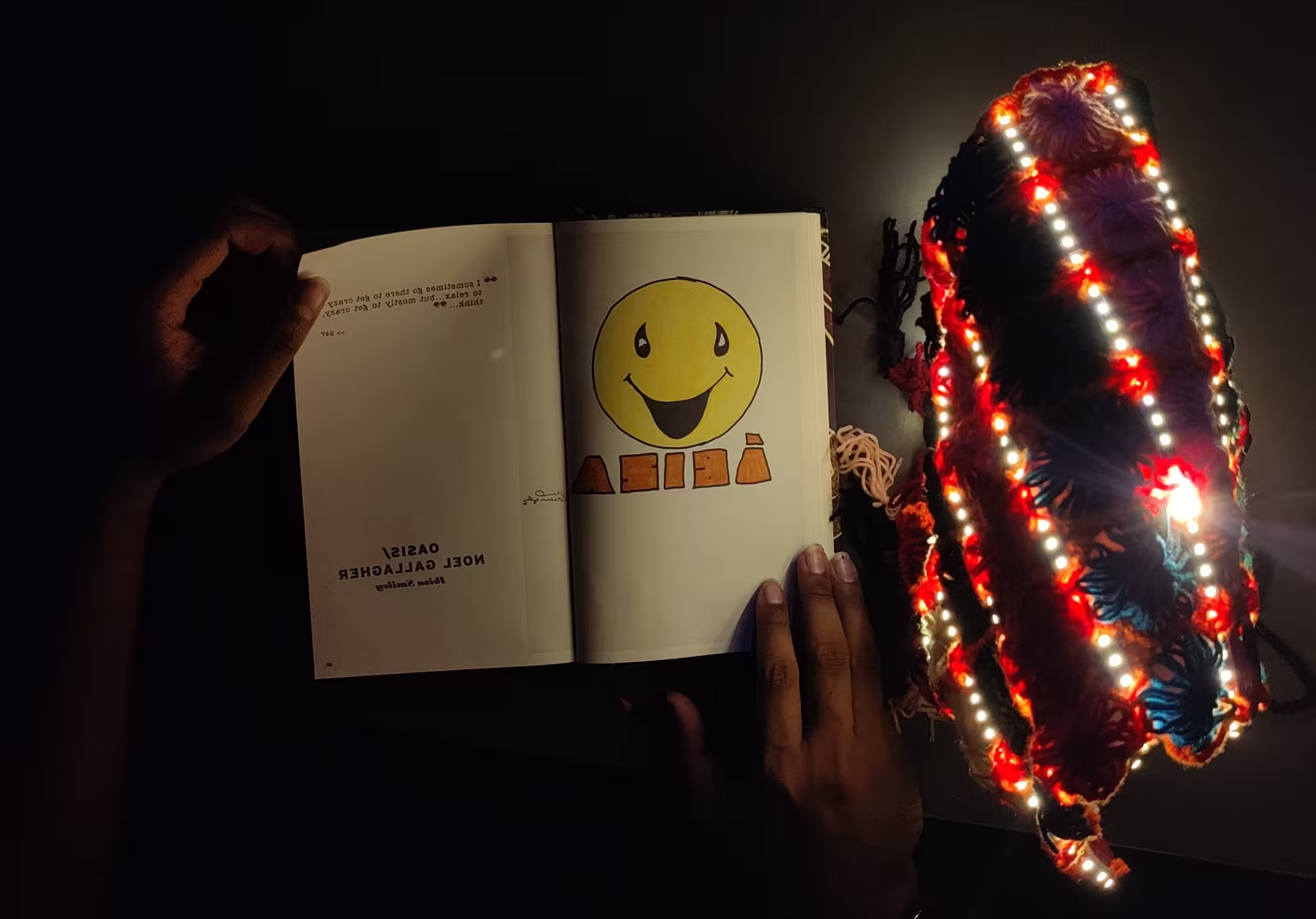
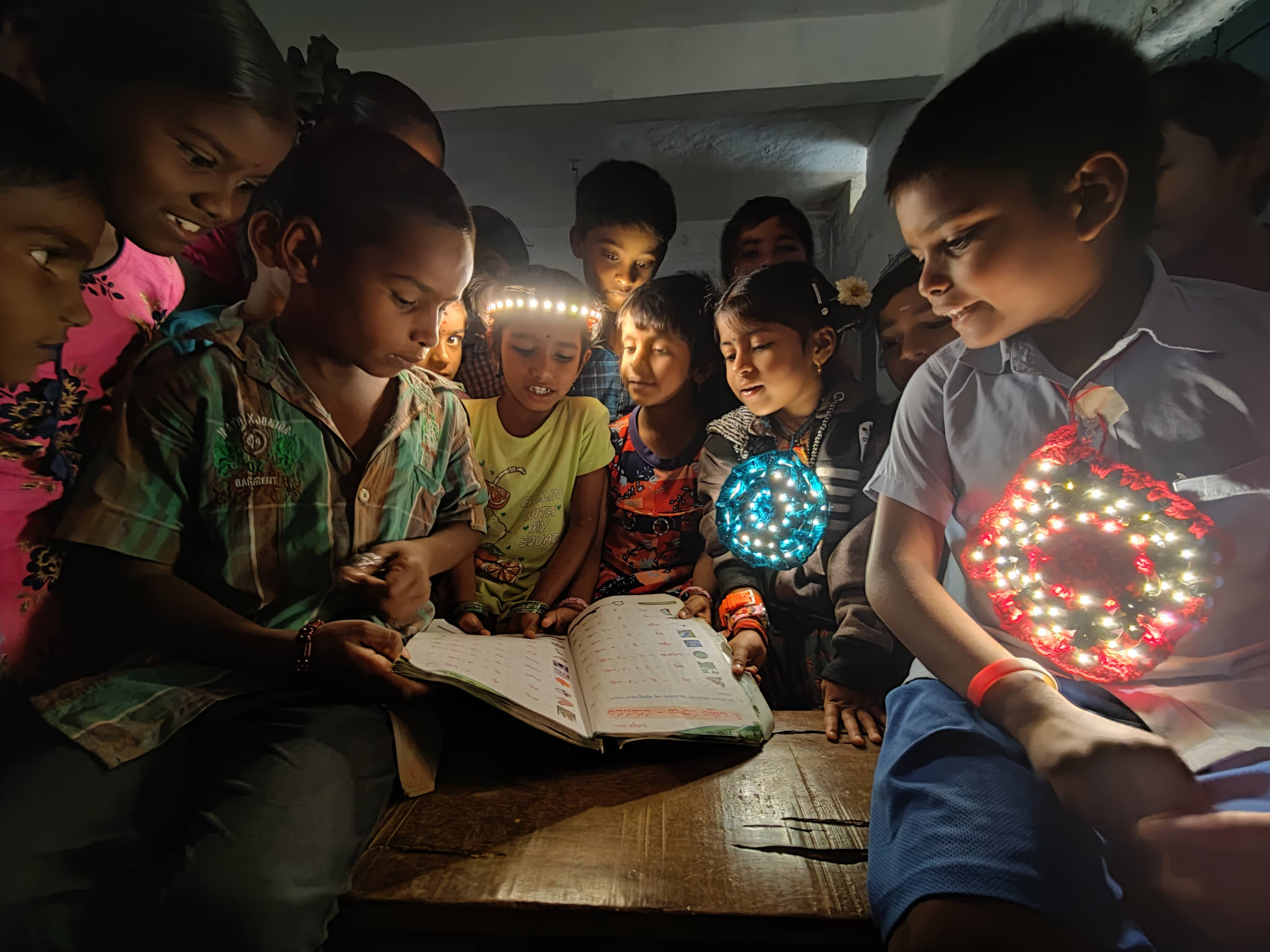
I used crochet techniques to craft artefacts in a variety of forms, by stitching additional elements onto the crochet patterns and weaving LED lights through the structures in linear, circular, and parallel arrangements. This approach allowed for both creative expression and functional integration of lighting within the handmade pieces.
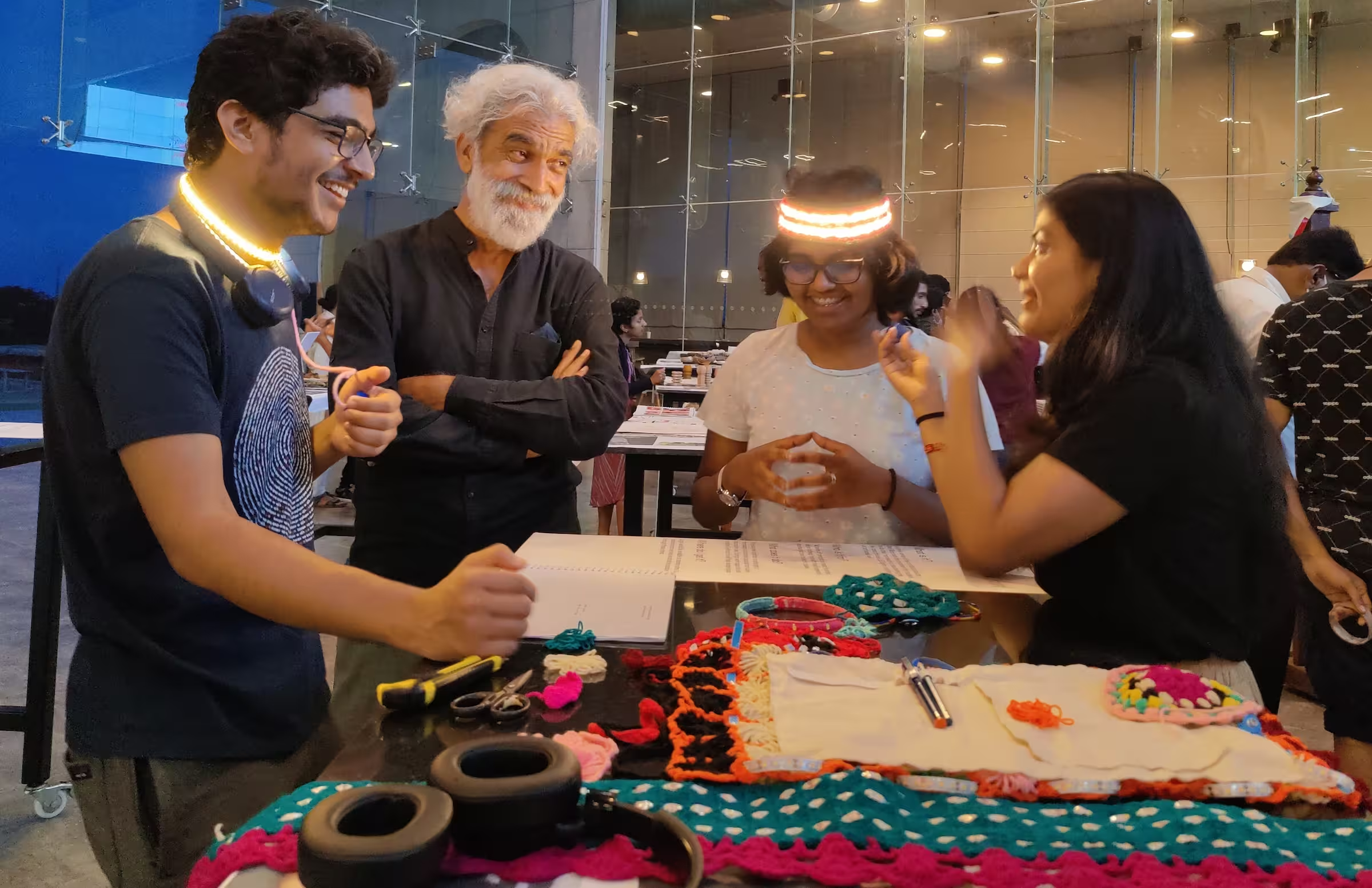
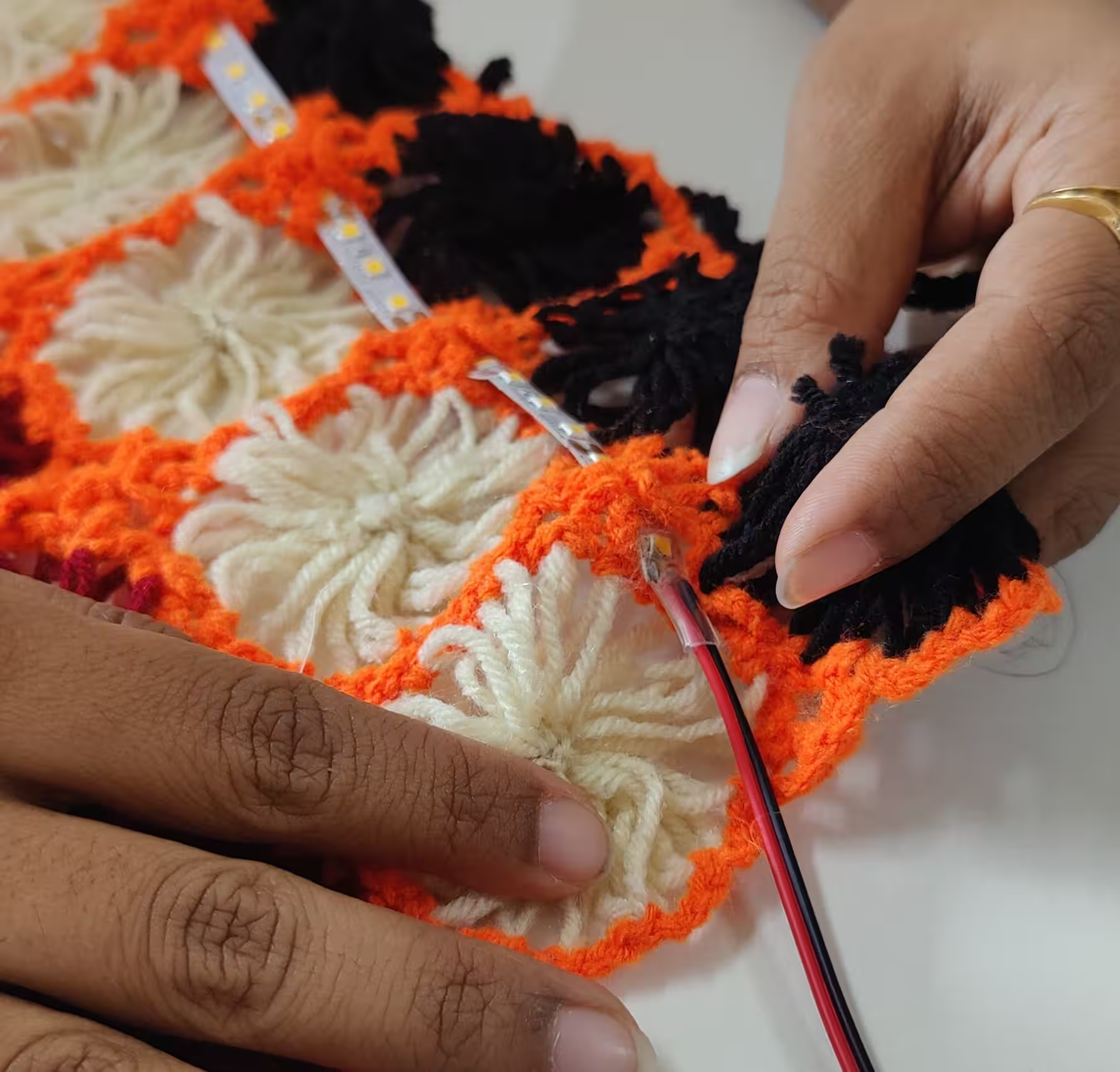
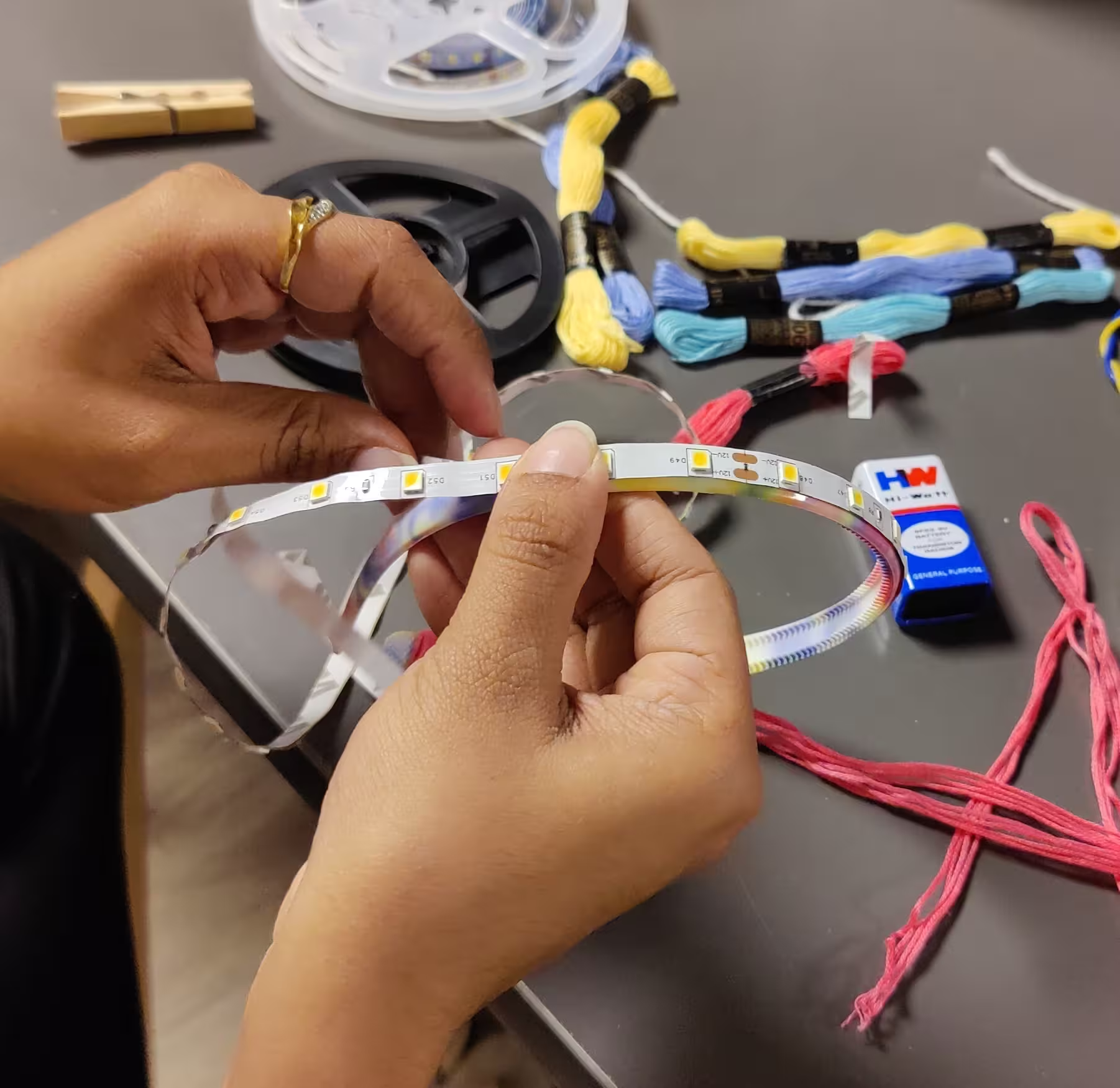
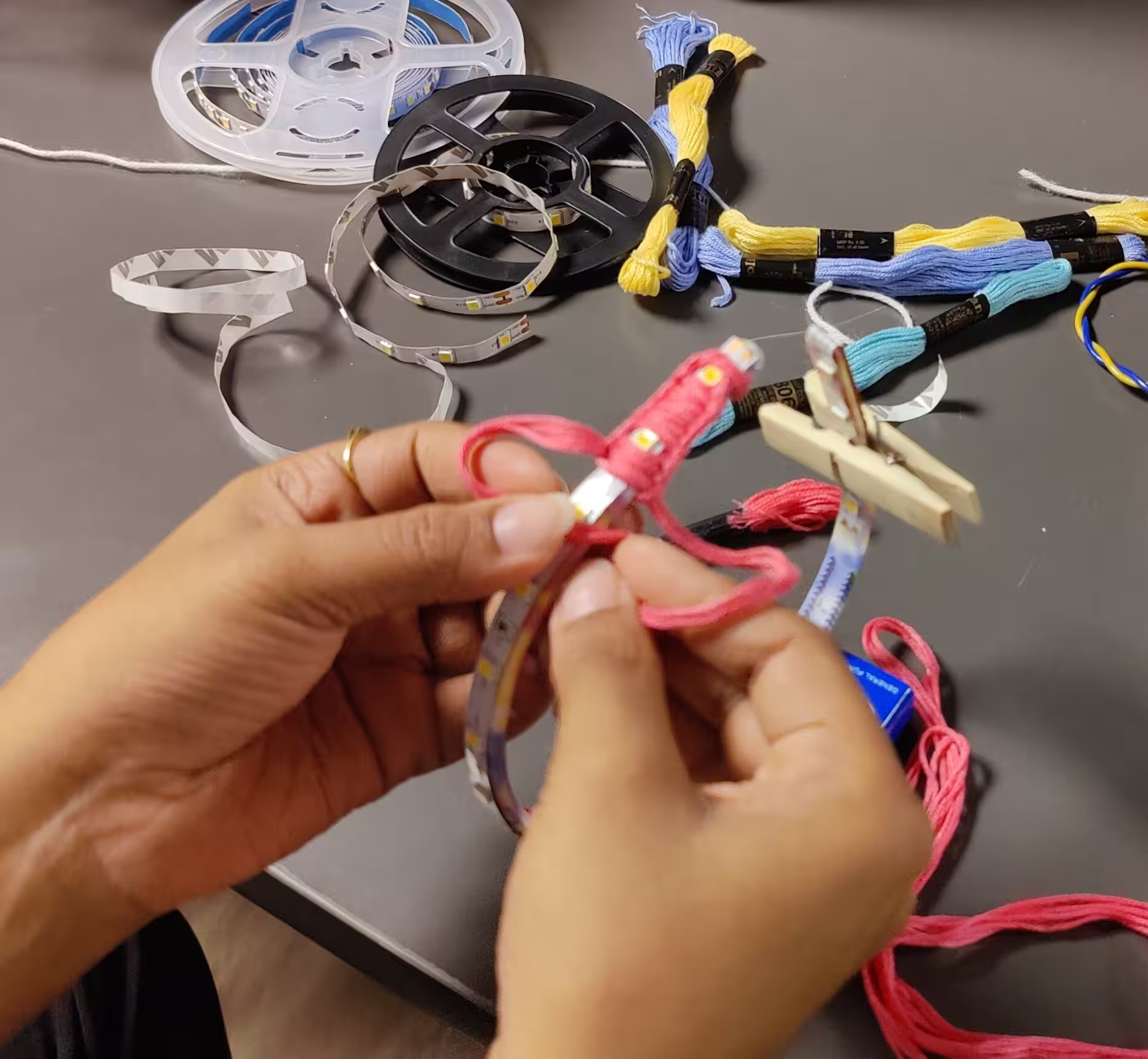
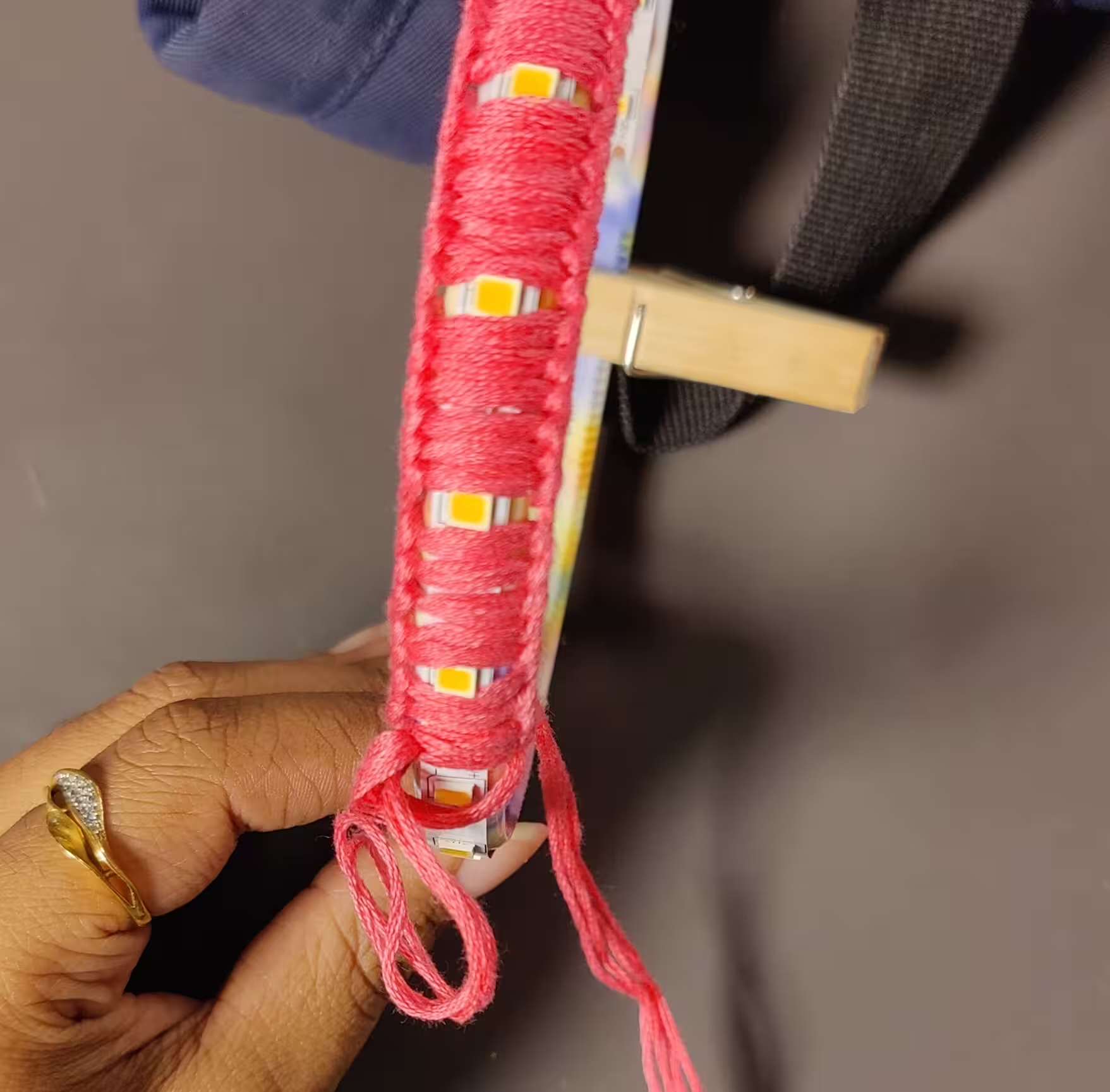
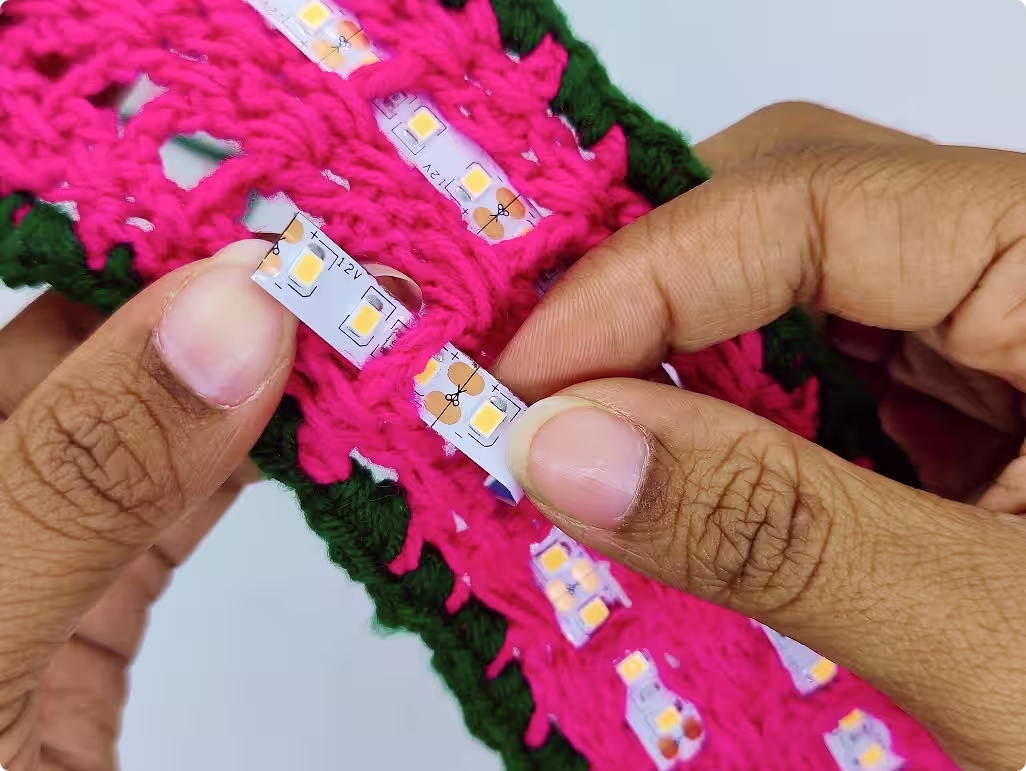
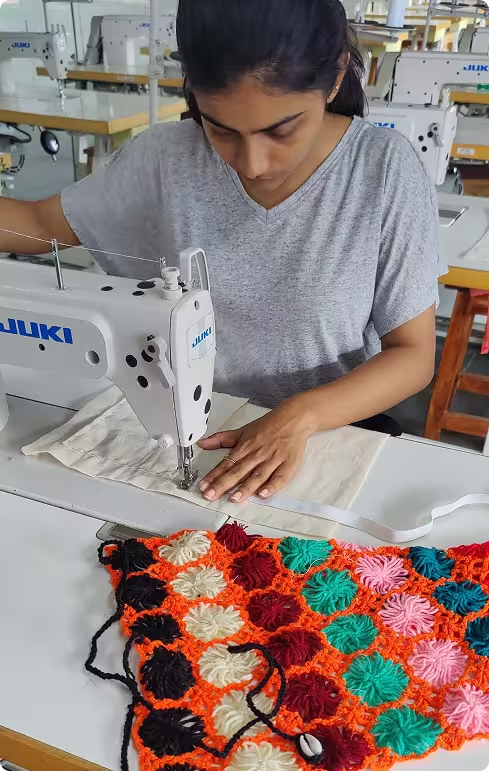
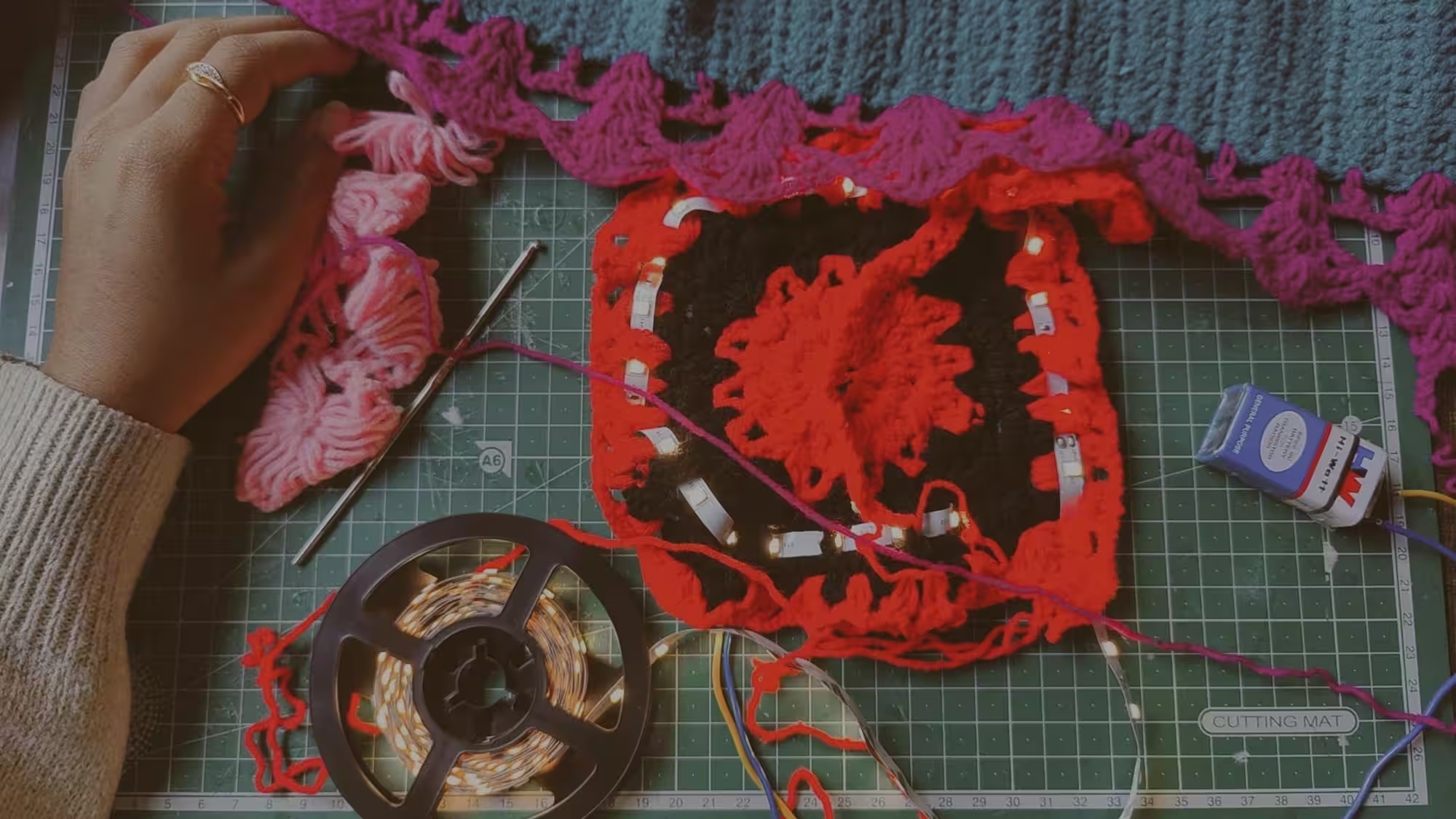
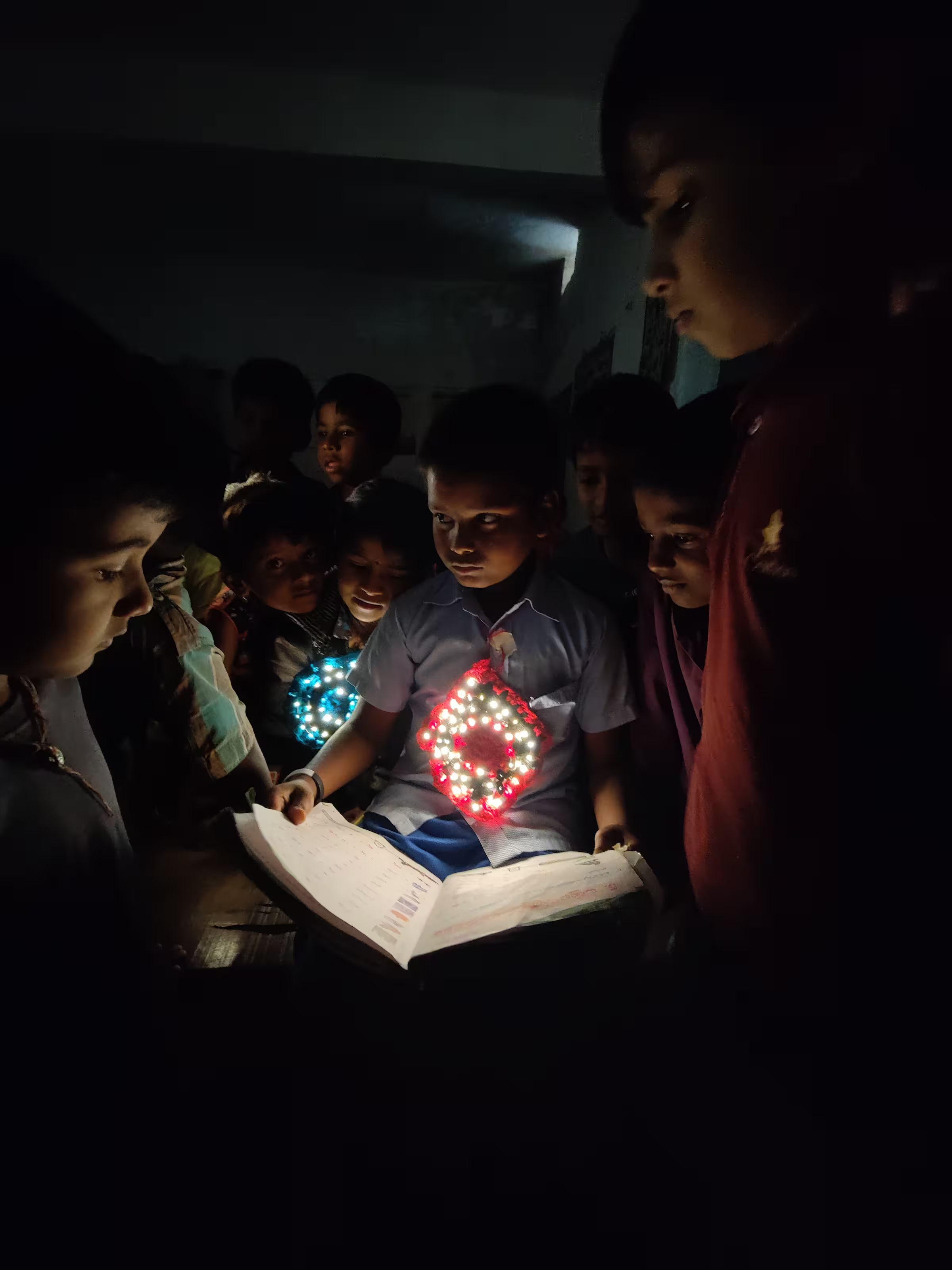
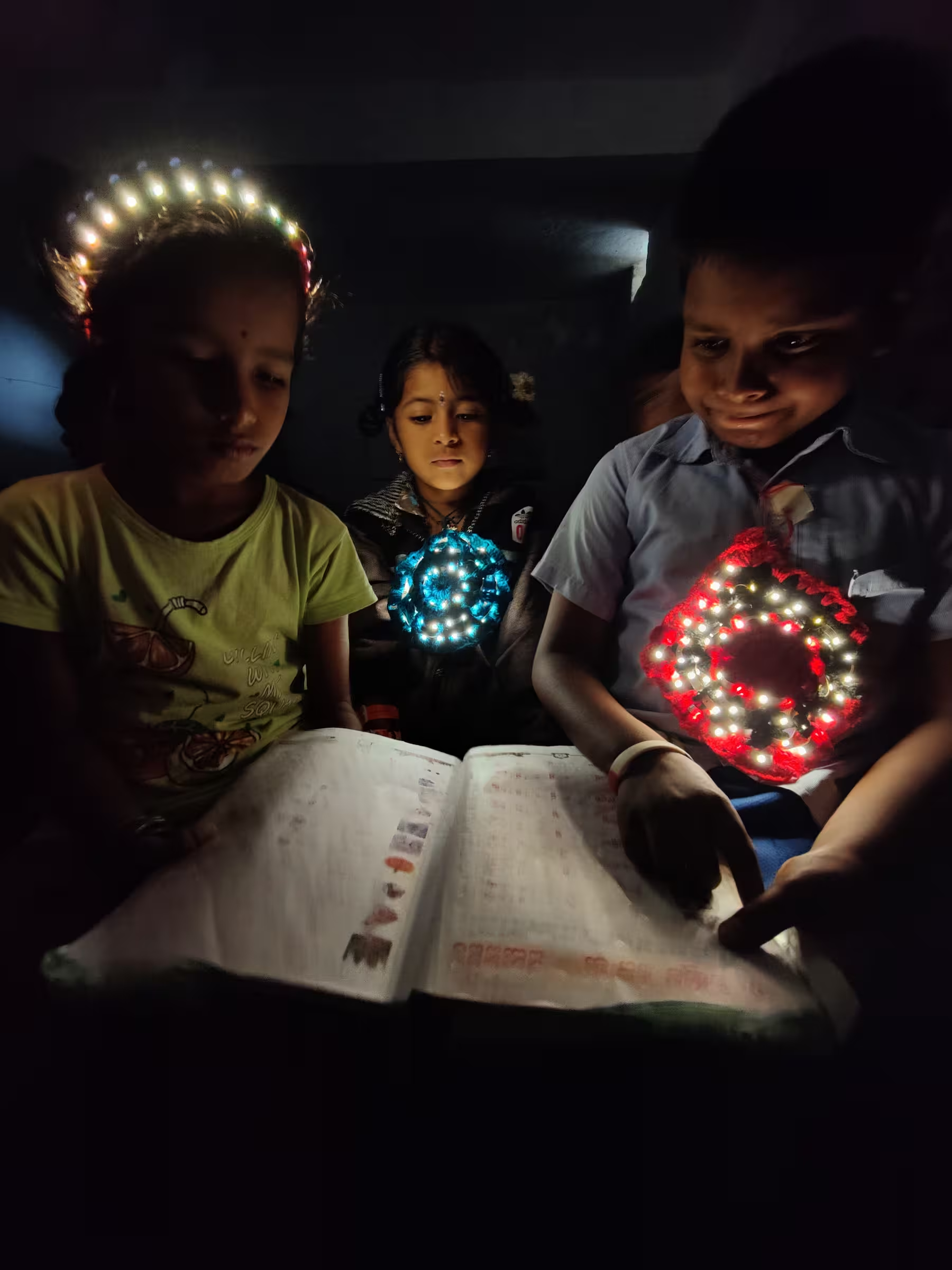
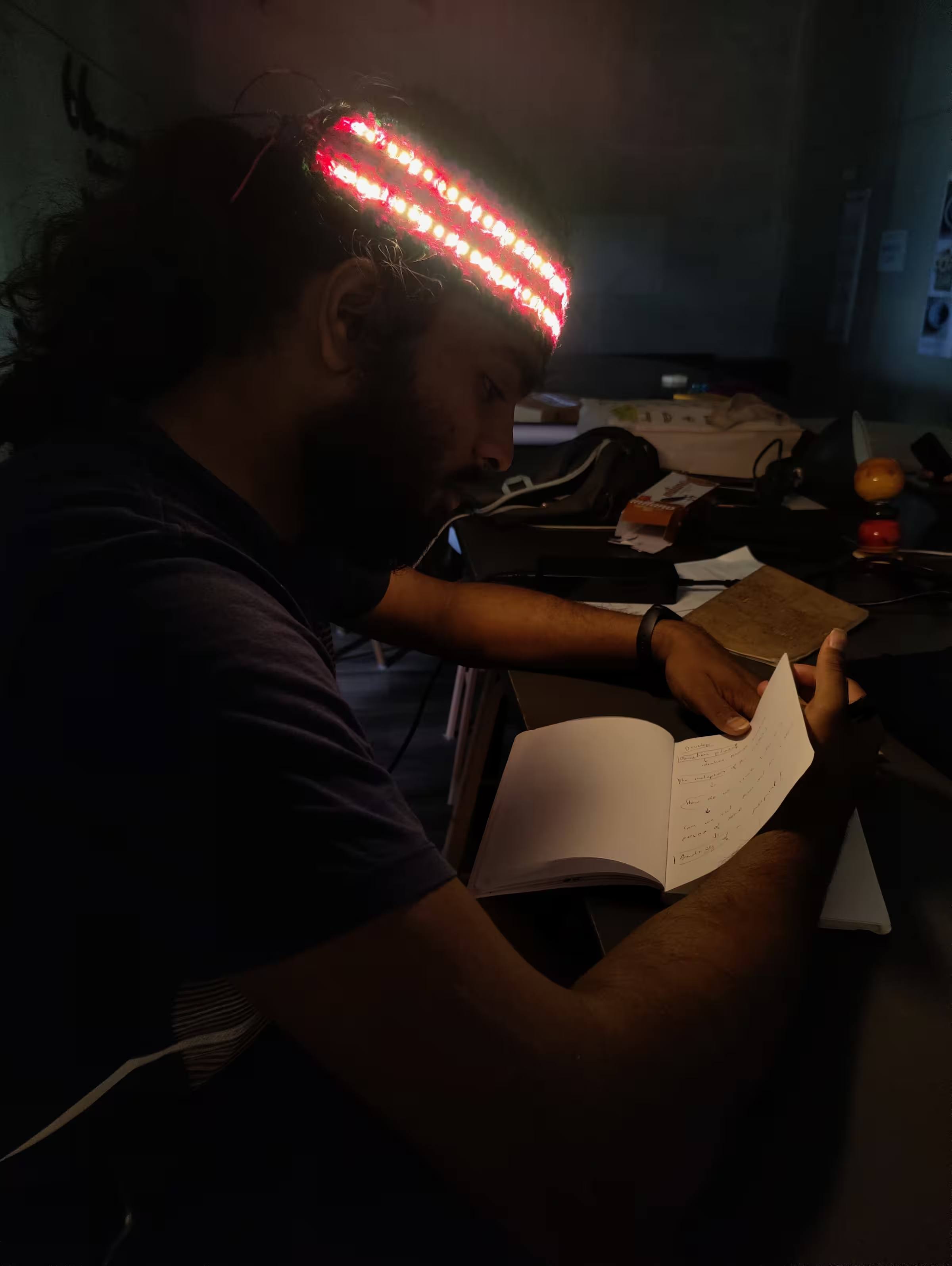
Project Jugni co-created and launched 3 product lineups - lockets, headbands, stationary kits and tapestries.
Along with the artisans, we demonstrated products to 6 schools and installed pop-up stalls during weekly markets. It instantly caught attention among the local community and sold over 45+ units in its pilot exhibition. Headbands were the most loved!
It didn’t stop there, it started a talk around the village around people wanting to start their your crafty-stores to sell their own unique craft illuminated with LEDs!
Reduction in kerosene use
during night time
units sold in its pilot exhibition.
With over 8 different designs
Additional study time for students
in low-light areas
Improvement in homework completion. Teachers reported!
It went beyond designing accessories and products that connect traditional crafts with modern market trends. I facilitated workshops and market research to help artisans align their traditional skills with contemporary market demands.